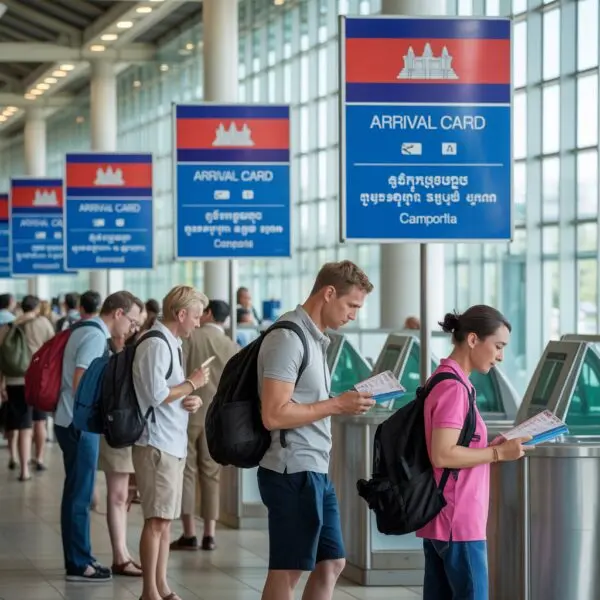
Cambodia in 2026 offers an incredible range of travel experiences – from ancient temples and royal palaces to pristine islands and lush jungles. Before you visit, make sure to complete the free Cambodia Arrival Card online at arrival.gov.kh. Here are the top attractions not to miss.
1. Angkor Wat – The World’s Largest Religious Monument
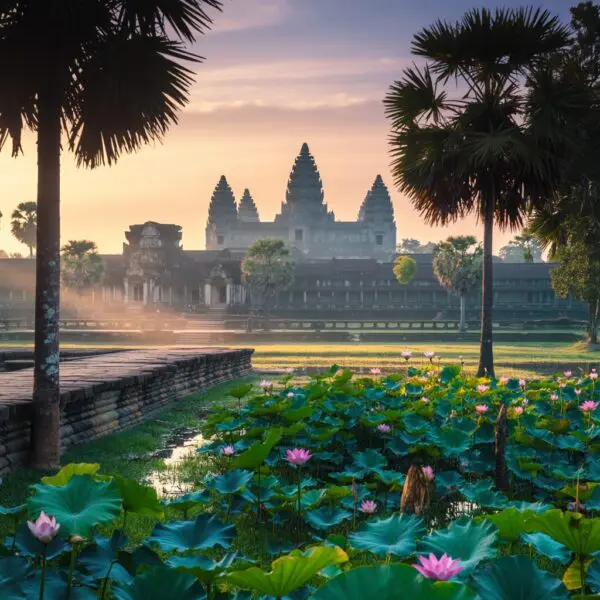
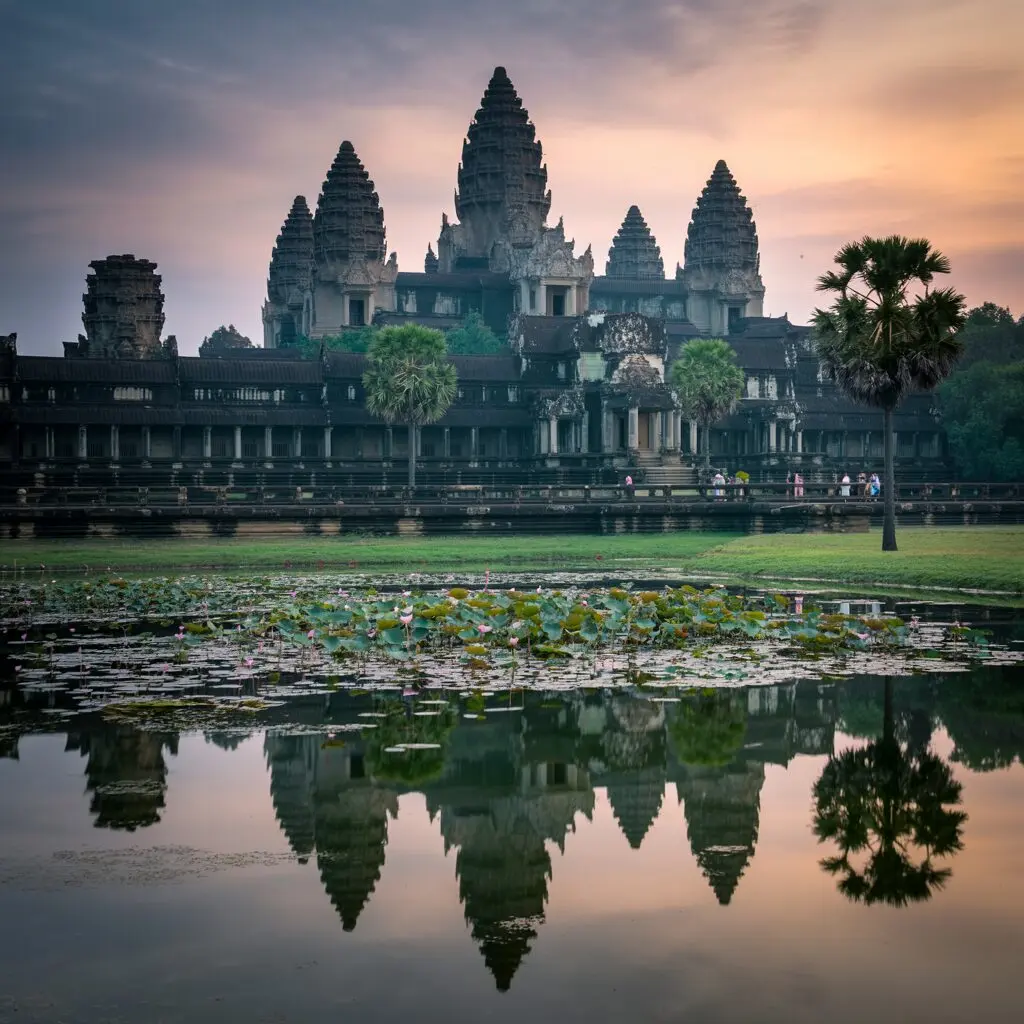
No visit to Cambodia is complete without exploring Angkor Wat near Siem Reap. Built in the 12th century by King Suryavarman II, this UNESCO World Heritage Site covers over 400 square kilometers and features iconic towers, intricate bas-reliefs, and stunning sunrise views. Buy an Angkor Pass ($37/day, $62/3 days, $72/7 days) at the Angkor Enterprise ticket office.
Read our detailed Angkor Wat travel guide for tips on getting there, the best times to visit, and which temples to prioritize.
2. Phnom Penh – Cambodia’s Vibrant Capital
Cambodia’s capital combines history, culture, and modernity in a fascinating blend. Must-see attractions include:
- Royal Palace and Silver Pagoda – Stunning royal complex open to visitors
- Tuol Sleng Genocide Museum (S-21) – Important historical site of the Khmer Rouge era
- Choeung Ek Genocidal Center (Killing Fields) – A sobering but essential memorial
- National Museum – Cambodia’s finest collection of Khmer art and artifacts
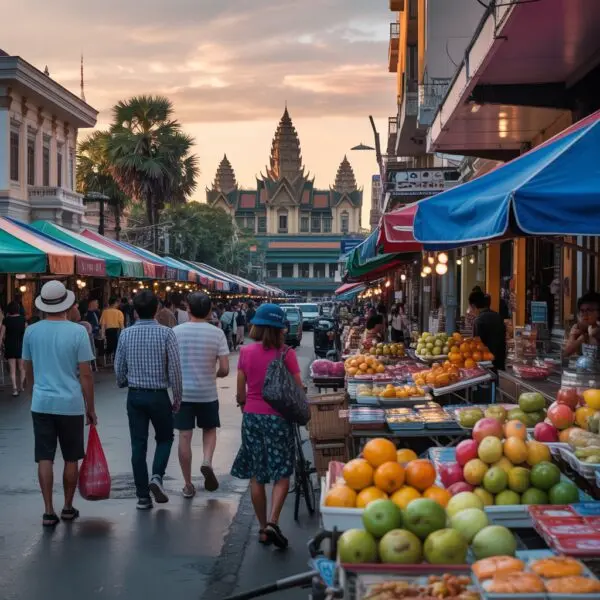
- Riverside Promenade – Lively evening market and dining scene
See our comprehensive Phnom Penh travel guide for complete visitor information.
3. Angkor Thom and Ta Prohm
Beyond Angkor Wat, the greater Angkor Archaeological Park contains spectacular sites:
- Angkor Thom – The great walled city with the iconic Bayon temple featuring 54 towers with smiling faces
- Ta Prohm – The jungle temple featured in Tomb Raider, with massive tree roots engulfing ancient stones
- Banteay Srei – “Citadel of Women” known for intricate pink sandstone carvings
- Preah Khan – Atmospheric lakeside temple complex
4. Koh Rong and Koh Rong Sanloem – Pristine Islands
Cambodia’s southern coast offers stunning islands with white sand beaches and crystal-clear waters. Koh Rong and the quieter Koh Rong Sanloem are accessible by fast boat from Sihanoukville (2-3 hours). Best months: November to April (dry season).
5. Kampot and Kep – Relaxed South Coast
The riverside town of Kampot offers French colonial architecture, famous Kampot pepper farms, and access to Bokor National Park. Nearby Kep is known for fresh crab markets and serene beaches.
6. Battambang – Colonial Charm and Rural Life
Cambodia’s second-largest city offers excellent French colonial architecture, the famous Bamboo Train ride, and nearby ancient temples including Wat Banan. A great base for experiencing rural Cambodian life.
7. Mondulkiri and Ratanakiri – Adventure Tourism
For nature lovers, the northeastern provinces of Mondulkiri and Ratanakiri offer elephant sanctuary experiences, jungle trekking, waterfalls, and encounters with indigenous communities.
How to Enter Cambodia in 2026
To visit any of these attractions, all air travelers must:
- Complete the free Cambodia e-Arrival Card online before flying
- Obtain a valid visa (eVisa or Visa on Arrival)
Check our Cambodia entry requirements 2026 for full details.
Frequently Asked Questions
What are the top attractions in Cambodia in 2026?
The top attractions include Angkor Wat, the temples of Angkor, Phnom Penh’s Royal Palace and Tuol Sleng Museum, the beaches of Koh Rong, and the Cardamom Mountains.
Do I need a Cambodia Arrival Card to visit Angkor Wat?
Yes. All international air travelers to Cambodia need the free Cambodia e-Arrival Card before flying. Complete it at arrival.gov.kh within 7 days of your arrival.
What is the best time to visit Cambodia?
The dry season (November to April) is the best time to visit. December and January are peak months with cool temperatures and minimal rainfall.
How many days do you need in Cambodia?
A minimum of 7-10 days allows you to visit Phnom Penh, Siem Reap and Angkor Wat, and possibly the south coast. 2 weeks is ideal for a more complete experience.